
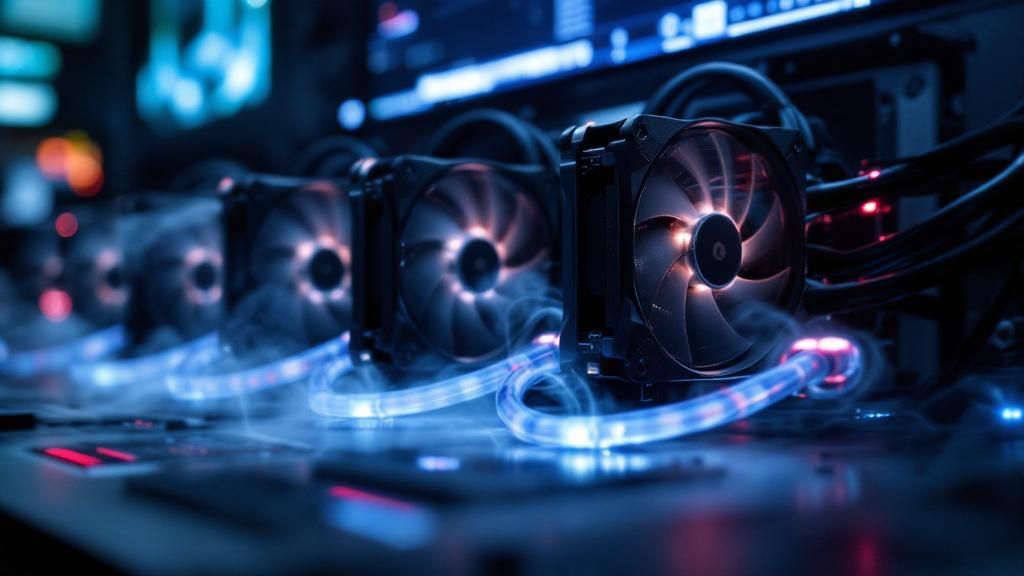
High-performance gaming rigs emit tremendous heat during intensive gameplay, straining components to their limits. Without sufficient cooling, even the most capable systems risk heat throttling, shorter operational life, and complete breakdown. This article explores the cutting-edge cooling technologies transforming the gaming landscape—from advanced liquid cooling systems and next-generation air coolers to smart thermal management software. Discover how gaming professionals and passionate users maintain maximum efficiency whilst preserving their investments through advanced thermal management techniques.
Fluid Cooling Systems for Peak Performance
Liquid cooling constitutes a fundamental change in temperature regulation for high-end gaming systems. By pumping liquid through a self-contained circuit, these solutions extract heat far more efficiently than traditional air cooling methods. The liquid captures heat from components such as processors and graphics cards, transporting it away to heat exchangers that expel to the surroundings. This superior heat transfer capability permits enthusiasts to sustain reduced heat levels whilst operating their components to exceptional speeds.
Custom water cooling loops provide unparalleled flexibility for enthusiasts seeking peak efficiency improvements. These custom-built setups allow users to select individual components—pumps, reservoirs, radiators, and waterblocks—matched with their particular needs. Whilst installation requires technical expertise and detailed organisation, the rewards justify the effort. Custom loops deliver exceptional cooling efficiency, quieter operation, and aesthetic appeal that converts a gaming rig into a display-quality system. Maintenance requirements remain manageable with proper planning and premium hardware.
All-in-one liquid coolers offer an accessible alternative for gamers seeking liquid cooling without complex modifications. These pre-assembled units arrive prepared to install, featuring closed-loop designs requiring minimal maintenance. Contemporary all-in-one units deliver strong cooling results comparable to basic custom setups, making them increasingly popular amongst serious gaming enthusiasts. The reliability of contemporary AIO designs has resolved previous reliability issues, establishing them as trusted options for sustained high-performance gaming sessions.
Thermal efficiency gains from liquid cooling directly translate to tangible gaming benefits. Lower component temperatures allow higher clock speeds and sustained boost frequencies, maximising frame rates and graphical fidelity. Additionally, cooler operation extends hardware longevity significantly, safeguarding your substantial investment in premium components. Professional esports competitors choose liquid cooling precisely because it ensures the temperature stability critical for consistent, predictable performance during high-stakes tournaments and demanding gaming marathons.
Modern liquid cooling systems incorporate smart monitoring features and customisable pump controls. RGB lighting incorporation lets gamers to align cooling systems with general build appearance. Reduced noise levels represents another notable advantage—liquid coolers typically operate with less noise than intensive air-cooling systems, producing superior gaming atmospheres. These refinements convert cooling from a basic functional requirement into an essential element of the premium gaming experience.
Installation requirements remain crucial when selecting liquid cooling systems. Space requirements, radiator placement, and component compatibility demand thorough assessment before purchasing. Most modern cases accommodate standard radiator sizes, though bigger bespoke configurations may necessitate specialist chassis. Gamers should examine their individual hardware arrangement carefully, ensuring selected cooling systems integrate seamlessly with present parts and case dimensions.
Cooling Systems and Thermal Management Approaches
Air cooling remains the most accessible and cost-effective solution for gaming fans seeking effective heat dissipation. Modern air coolers utilise advanced fin designs and thermal conductors to effectively dissipate heat from processors and graphics cards. With correct setup and regular upkeep, quality air cooling systems achieve outstanding results whilst preserving system stability during extended gaming sessions and intensive tasks.
Fan Arrangement and Airflow Optimisation
Achieving optimal airflow within your gaming chassis requires strategic planning and careful component placement. Intake fans should draw cool air from the front and bottom of the case, whilst exhaust fans expel hot air through the upper rear sections. This creates a favourable pressure condition that reduces dust accumulation and ensures reliable cooling performance across all system components throughout lengthy gameplay periods.
Temperature sensors and cooling regulators enable smart heat control, automatically adjusting fan speeds based on real-time system temperatures. This adaptive strategy reduces noise during minimal load conditions whilst maintaining aggressive cooling during peak performance demands. Modern motherboards offer advanced BIOS configuration options allowing users to customise fan curves, balancing thermal performance with acoustic comfort for an enhanced gaming experience.
- Position intake vents at lower front areas
- Place exhaust fans at rear top locations
- Ensure clear airflow routes within the case
- Clean filters monthly to prevent dust buildup
- Monitor temperatures with dedicated software tools
Proper cable organisation significantly impacts airflow efficiency across gaming rigs. Arranging power leads and signal lines prevents obstruction of air pathways, permitting unobstructed movement within the enclosure. Additionally, upgrading to high-quality case fans featuring optimised blades and silent operation mechanisms enhances cooling effectiveness whilst keeping noise levels down, achieving optimal balance for serious gamers aiming for top-tier results.
Oversight and Upkeep for Long-Term Performance
Real-Time Heat Tracking
Effective thermal management solutions require constant vigilance through comprehensive temperature monitoring. Modern gaming rigs leverage advanced software tools that track CPU, GPU, and coolant temperatures as they occur. These applications provide detailed analytics, notifying operators when temperatures exceed safe thresholds. By establishing baseline readings and tracking patterns, enthusiasts can identify potential issues before they develop into critical failures, ensuring their powerful rigs remain stable and optimised throughout extended gaming sessions.
Advanced control tools provide precise oversight over fan curves and pump speeds, allowing real-time modifications based on current thermal loads. Many modern cooling solutions connect seamlessly to gaming peripherals and RGB lighting, creating immersive experiences whilst preserving ideal heat management. Regular data logging helps identify seasonal variations and wear-related performance changes. This proactive approach prevents unexpected shutdowns during critical moments in competitive gaming, protecting long-term stability and efficiency through intelligent thermal management strategies.
Routine Maintenance Protocols
Maintaining advanced cooling solutions demands regular focus on maintenance routines. Dust collection across radiators, heatsinks, and fans substantially diminishes cooling efficiency, necessitating regular cleaning quarterly to bi-annually depending on environmental conditions. Liquid cooling systems demand regular coolant changes and assessment of leaks or corrosion, typically annually. These service procedures defend against thermal degradation and component failure, guaranteeing ongoing performance throughout the system’s service life whilst preventing costly maintenance.
Establishing documented maintenance schedules proves invaluable for serious enthusiasts and competitive gamers. Recording cleaning dates, coolant replacements, and thermal performance metrics creates a comprehensive system history. This documentation supports diagnostic work and helps identify service schedules specific to individual setups. Expert-standard maintenance includes inspecting pump performance, verifying contact surface quality, and assessing fan bearing conditions. Implementing these structured maintenance procedures guarantees that advanced cooling solutions continue delivering optimal thermal performance, protecting valuable gaming hardware investments.
Improving and Optimising Systems
As gaming technology progresses, cooling requirements intensify alongside increasingly high-performance processors and graphics cards. Strategic upgrades to cooling infrastructure mitigate thermal bottlenecks that constrain performance potential. Assessing existing system capacity against next-generation component specifications ensures adequate thermal headroom for upcoming systems. Installing bigger cooling units, more efficient pumps, or premium cooling solutions can dramatically improve temperature stability. These enhancements represent wise expenditures for enthusiasts dedicated to maintaining peak performance as their gaming rigs mature.
Optimisation extends past hardware upgrades to including software refinements and environmental considerations. Adjusting case airflow patterns, moving hardware elements, or installing extra cooling fans can deliver considerable temperature reductions without substantial expenditure. Overclocking profiles leverage comprehensive thermal analysis, allowing users to push performance boundaries safely. Regular evaluation of cooling efficiency metrics directs planning about upcoming upgrades. By integrating considered improvements with meticulous maintenance practices, gamers achieve prolonged optimal performance whilst maximising the longevity of their sophisticated cooling infrastructure.
