
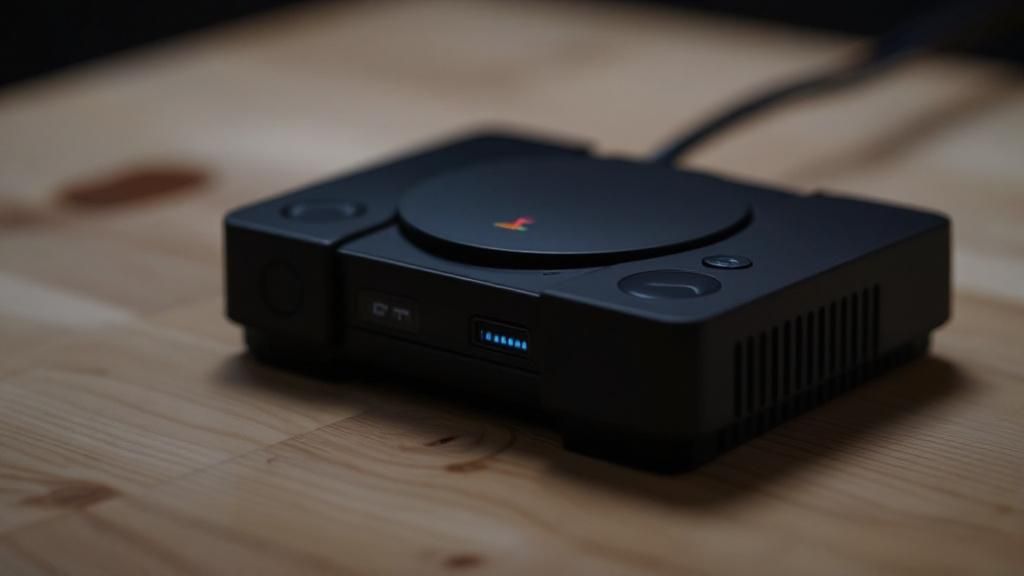
Sony has declared a substantial broadening to its backwards compatibility initiative, bringing a fresh wave of iconic vintage PlayStation titles to current-generation hardware. This strategic move enables gamers to revisit cherished classics from past console cycles without needing outdated hardware. The expanded programme delivers better frame rates and improved graphics on contemporary consoles, bridging the gap between classic play and latest advancements. Discover which classic franchises are entering the lineup and how this advancement is reshaping the future of PlayStation gaming.
Expanding the Classic Catalogue of Games
Sony’s backwards compatibility programme constitutes a innovative strategy to maintaining gaming heritage whilst integrating modern technology. By broadening the collection of iconic PlayStation games playable on contemporary consoles, the company showcases its dedication to celebrating its storied gaming history. This programme ensures that generations of remarkable gaming adventures continue to be playable to seasoned fans and newcomers alike encountering these enduring favourites for the first time. The expanded library features a diverse range of categories and periods, demonstrating the scope of PlayStation’s significant legacy in interactive entertainment.
The programme’s development resolves a essential gap in modern gaming by converting hard-to-access titles easily accessible on modern hardware. Players don’t need to maintain legacy hardware or track down costly used copies to experience these beloved games. This wider availability of retro gaming content bolsters the PlayStation platform and encourages player involvement among various player generations. The initiative also showcases Sony’s commitment to user expectations for robust backwards compatibility options that respect the financial commitment gamers have made in their digital libraries throughout the years.
Improved Emulation Systems
The technical foundation of this legacy support programme relies on sophisticated emulation technology that accurately replicates the original gaming experience whilst optimising performance for modern hardware. Sophisticated emulation systems analyse classic game code and translate it seamlessly for modern processors, ensuring interoperability without sacrificing authenticity. These technical enhancements extend beyond basic functionality; they enable enhanced frame rates, improved resolution scaling, and quicker load times that significantly elevate the playing experience. The engineering teams have invested considerable effort in achieving this balance between preservation and enhancement.
Modern emulation technology includes machine learning algorithms and predictive processing techniques that predict gameplay requirements and distribute resources efficiently. This intelligent approach minimises lag, eliminates stuttering, and offers smoother performance than original hardware could achieve. Additionally, the emulation framework features adaptive quality settings that enable players to customise their experience based on personal preferences and available system resources. These development breakthroughs represent years of dedicated development, ensuring that classic games perform perfectly on PlayStation 5 and other modern platforms.
Player Access and Convenience
Backwards compatibility substantially boosts gamer accessibility by consolidating gaming libraries across generations within a unified platform. Gamers can move effortlessly between current titles and classic titles without handling separate hardware or re-purchasing titles of games they already own. The unified interface makes browsing easier and finding new content, allowing players to explore their entire collection with ease. This streamlined approach values gamer time and financial investments, removing annoying obstacles that formerly prevented playing favourite older games and fostering engagement of classic gaming.
The enhanced programme also tackles practical accessibility concerns by offering modern quality-of-life features paired with classic gameplay. Players benefit from improved controller support, adjustable difficulty options, and improved visual options that accommodate contemporary gaming standards. Cloud save capability facilitates seamless progression across various devices, whilst trophy and achievement systems drive participation with classic titles. These features change backwards compatibility from a nostalgic novelty into a genuinely practical feature that enriches the overall PlayStation experience for millions of players worldwide.
Perks for Gamers and the Industry
Improved Gaming Experience for Gaming Enthusiasts
The enhanced backwards compatibility programme delivers significant improvements to the player base. Players can now access beloved titles with better performance, superior image quality, and quicker load speeds on current PlayStation systems. This accessibility eliminates the need for keeping older systems, whilst preserving gaming history for generations to come. Gamers benefit from seamless integration with contemporary features, encompassing trophy support and cross-platform functionality, enhancing their overall entertainment experience considerably.
Economic and Strategic Advantages
From an industry standpoint, this initiative reinforces Sony’s competitive positioning within the video game sector. By expanding the retro gaming library, PlayStation appeals to both experienced players seeking nostalgic experiences and new players exploring classic titles. This method optimises the potential of established IP, generating renewed interest in established franchises without significant investment. Additionally, the initiative fosters player retention and extends the commercial lifecycle of previous releases, establishing continuous earnings through digital distribution channels.
Maintaining Gaming Heritage
The backwards compatibility expansion serves a essential cultural function by preserving important gaming heritage. Classic PlayStation titles constitute important milestones in interactive entertainment history, and guaranteeing their availability prevents valuable works from disappearing. This commitment to preservation reflects the gaming industry’s development, recognising that older games warrant appreciation and ongoing access. By safeguarding these digital artefacts, Sony makes a significant contribution to gaming’s cultural legacy whilst showing corporate responsibility towards maintaining entertainment history.
